






Condo and apartment buildings have fire walls, sprinklers in many cases and regular inspections. That is a good start, but what happens inside your own unit in the first two minutes is still up to you.
1. Test every alarm
Press the test button on each smoke alarm once a month. You want one in every bedroom, one outside the sleeping area and one on each level. If you have a gas stove, a gas water heater or a generator for storm season, add carbon monoxide detection too. Combination alarms handle both in one unit.
2. Plan for the kitchen
Cooking is the leading cause of home fires. Never leave a pan of oil unattended, and keep a fire blanket on the wall near the stove, not in a drawer. For a grease fire, turn off the burner, cover the pan completely and leave it covered until it is cool. Never use water.
3. Walk your exit
- Count the doors between your unit and the nearest stairwell, so you can find it in smoke.
- Never use the elevator during a fire.
- Feel a door with the back of your hand before opening it. If it is hot, use another way out.
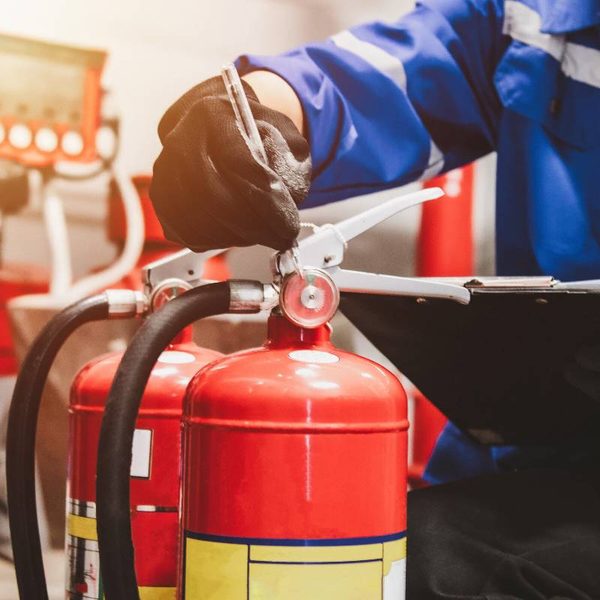
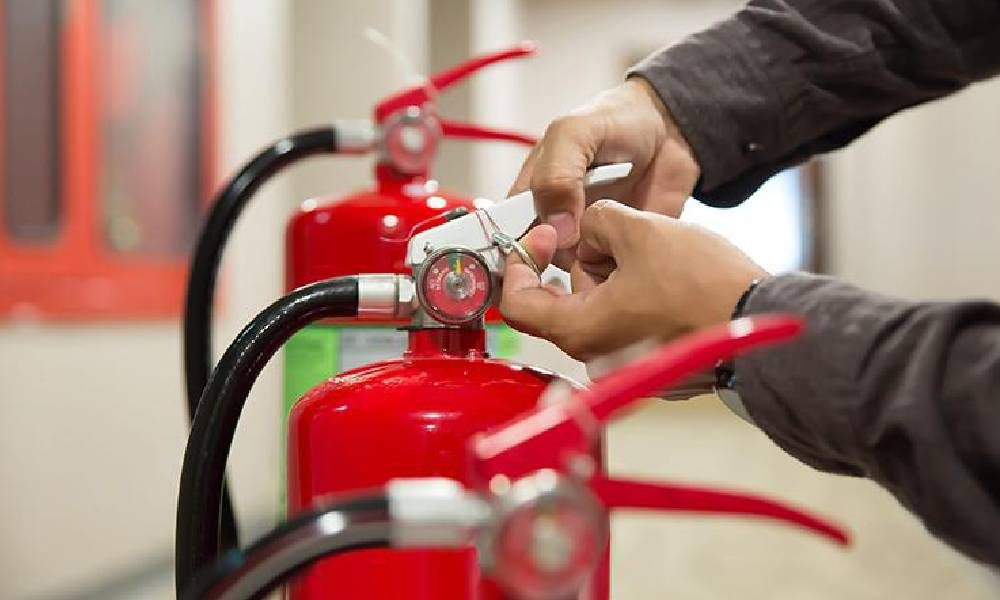
- Know where your building's pull stations and extinguishers are.
4. If you cannot get out
In a high-rise, sometimes the safest choice is to stay in your unit. Close the doors between you and the smoke, seal gaps with wet towels, call 911 and tell them your unit number, and signal from a window or balcony. A heat-resistant escape cloak adds a layer of protection if you do need to move through smoke.
5. Talk to your association
Ask when the building's fire alarm system and sprinklers were last inspected, and whether there is a written evacuation plan. Florida condominium associations must keep records of required inspections, and owners are entitled to see them.